If you’ve ever repotted a plant and wondered why your soil dries out too fast, clumps up, or just doesn’t feel right — cocopeat might be the missing piece in your gardening routine.
It’s not a fertilizer. It’s not a pesticide. It’s something quieter, more foundational — and honestly, one of the most underrated ingredients in a healthy potting mix.
Let’s talk about what cocopeat actually is, what it does, and how to use it properly alongside the right plant nutrition for results that last.
What is Cocopeat?
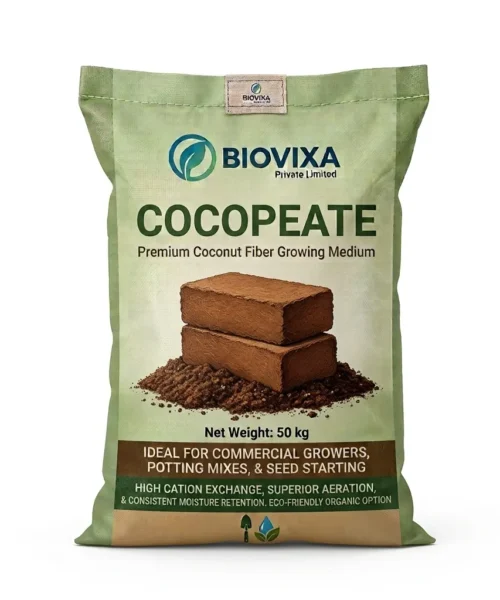
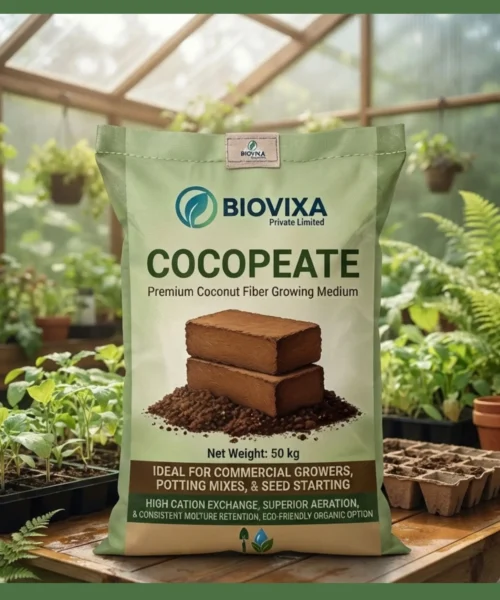
Cocopeat — also called coir pith or coir dust — is made from the fibrous husk of coconuts. It’s the byproduct of the coir industry, and what was once considered agricultural waste has turned out to be one of the most useful growing mediums in modern horticulture.
When processed and dried, coconut husk breaks down into a fine, spongy, dark brown material that looks a little like compressed soil. Add water to it, and it expands dramatically — up to 5–6 times its compressed volume.
That expansion is just the beginning of what makes it special.
Why is Cocopeat So Good for Plants?
1. Exceptional Water Retention — Without Waterlogging
Cocopeat can hold up to 8–10 times its own weight in water. That means your soil stays consistently moist for longer, reducing how often you need to water — a game-changer for busy plant parents and hot Indian summers alike.
But here’s what makes it smarter than regular soil: it retains moisture without becoming waterlogged. Its natural fibrous structure maintains air pockets even when fully hydrated, so roots stay moist and oxygenated at the same time. Root rot becomes far less likely.
2. Improves Soil Aeration
Compacted soil is one of the biggest silent killers of potted plants. When soil gets dense, roots can’t breathe, water can’t drain properly, and nutrients get locked out. Mixing cocopeat into your potting medium keeps the soil light, loose, and airy — giving roots room to spread freely.
3. Naturally Resistant to Pests & Fungi
Cocopeat has a naturally neutral to slightly acidic pH (around 5.8–6.8), which is ideal for most plants. More importantly, it’s naturally resistant to bacterial and fungal growth — making it a cleaner, safer growing medium than many traditional soils, especially for indoor use.
4. Sustainable & Eco-Friendly
Unlike peat moss — which is harvested from ecologically sensitive bogs and takes thousands of years to regenerate — cocopeat is a renewable byproduct of an existing agricultural process. Choosing cocopeat over peat moss is a simple, meaningful environmental choice.
5. Reusable & Long-Lasting
Cocopeat doesn’t break down quickly. You can reuse it across multiple growing seasons, which makes it not just effective but genuinely cost-efficient over time.
How to Use Cocopeat — Practically
As Part of a Potting Mix
The most common use. Mix cocopeat with garden soil and compost in roughly a 1:1:1 ratio. This gives you a well-draining, moisture-retentive, nutrient-supporting medium that most plants absolutely thrive in.
As a Seed Germination Medium
Cocopeat’s fine texture and moisture retention make it ideal for germinating seeds. It’s light enough for delicate seedling roots to push through easily and holds just the right amount of moisture to keep seeds consistently hydrated during germination.
For Hydroponics & Semi-Hydroponics
Cocopeat works brilliantly as a soilless growing medium for hydroponic setups. It holds structure, retains moisture between waterings, and supports root development without soil.
As a Mulch Layer
Spread a thin layer of cocopeat on top of your pot soil as mulch. It reduces surface moisture evaporation, keeps roots cool during summer, and slowly improves the top layer of soil as it integrates over time.
The One Thing Cocopeat Can’t Do
Here’s the honest part — and it’s important.
Cocopeat is an outstanding growing medium. But it is almost entirely nutrient-free on its own. It improves the physical properties of your soil dramatically, but it doesn’t feed your plant.
This is where a lot of gardeners go wrong. They switch to cocopeat-heavy mixes, notice their plants looking a little pale or slow, and assume the cocopeat isn’t working. It is working — it’s just not a fertilizer. You need to pair it with the right nutrition to unlock its full potential.
Think of it this way: cocopeat creates the ideal environment for nutrient absorption. Biovixa products provide the nutrients to absorb. Together, they create conditions where your plants genuinely have everything they need.
Pairing Cocopeat with Biovixa — The Complete System
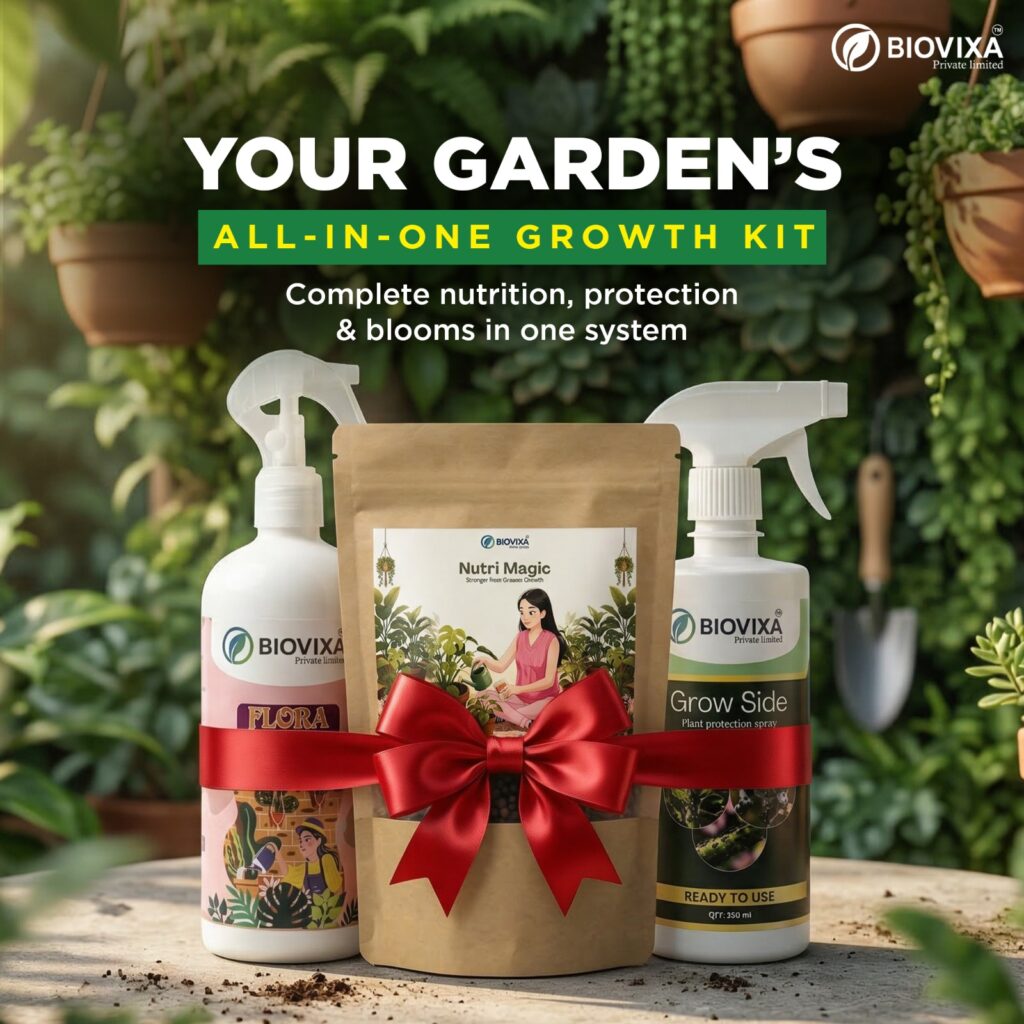
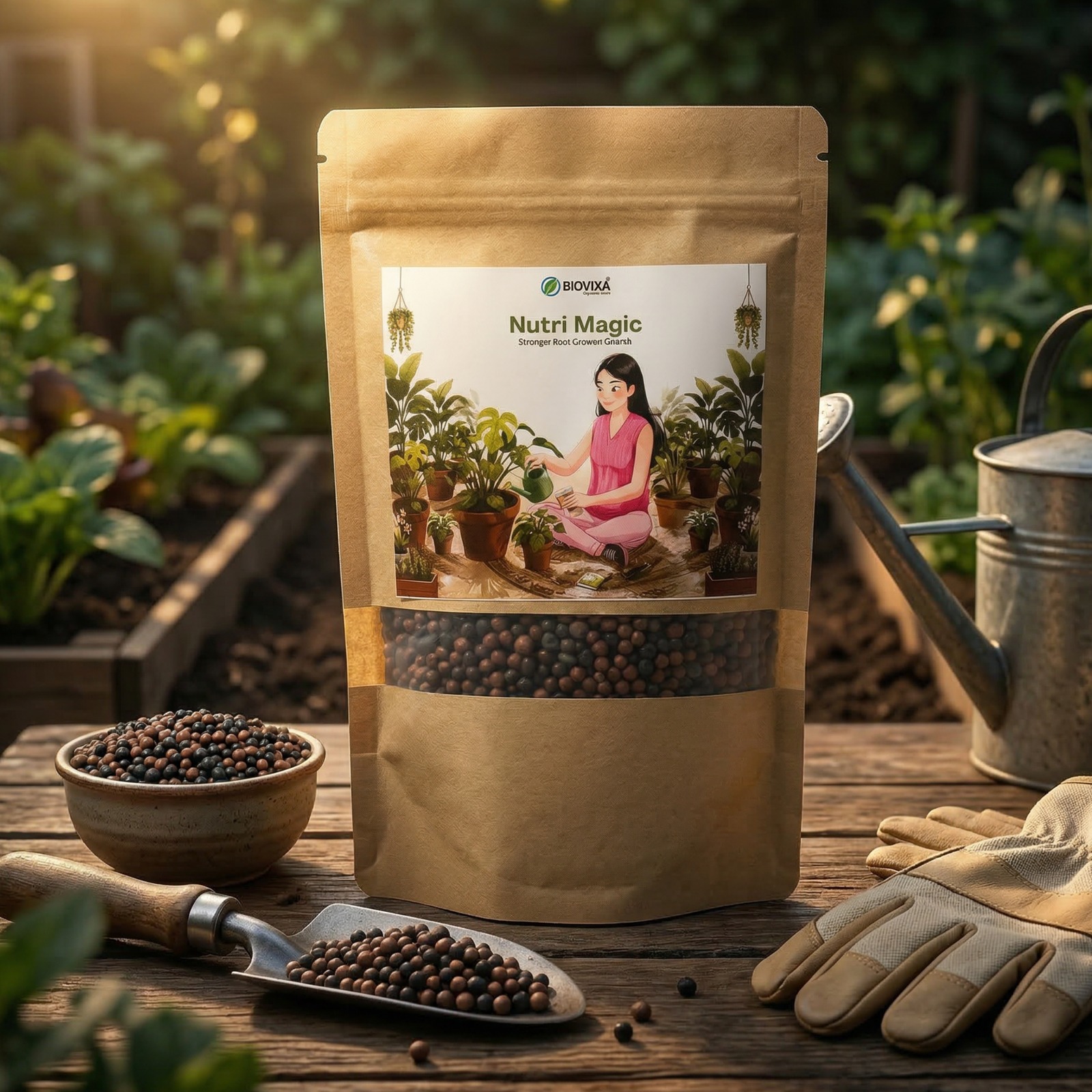
For General Plant Health → Biovixa Nutri Magic Granular
Mix Nutri Magic Granular into your cocopeat-based potting mix at the time of potting or repotting. The granules release nutrients slowly as you water — perfectly timed with cocopeat’s moisture retention. Your plant gets consistent, balanced nutrition delivered exactly when and how it can use it.
🌾 Biovixa Nutri Magic Granular → — the perfect nutritional partner for cocopeat mixes.
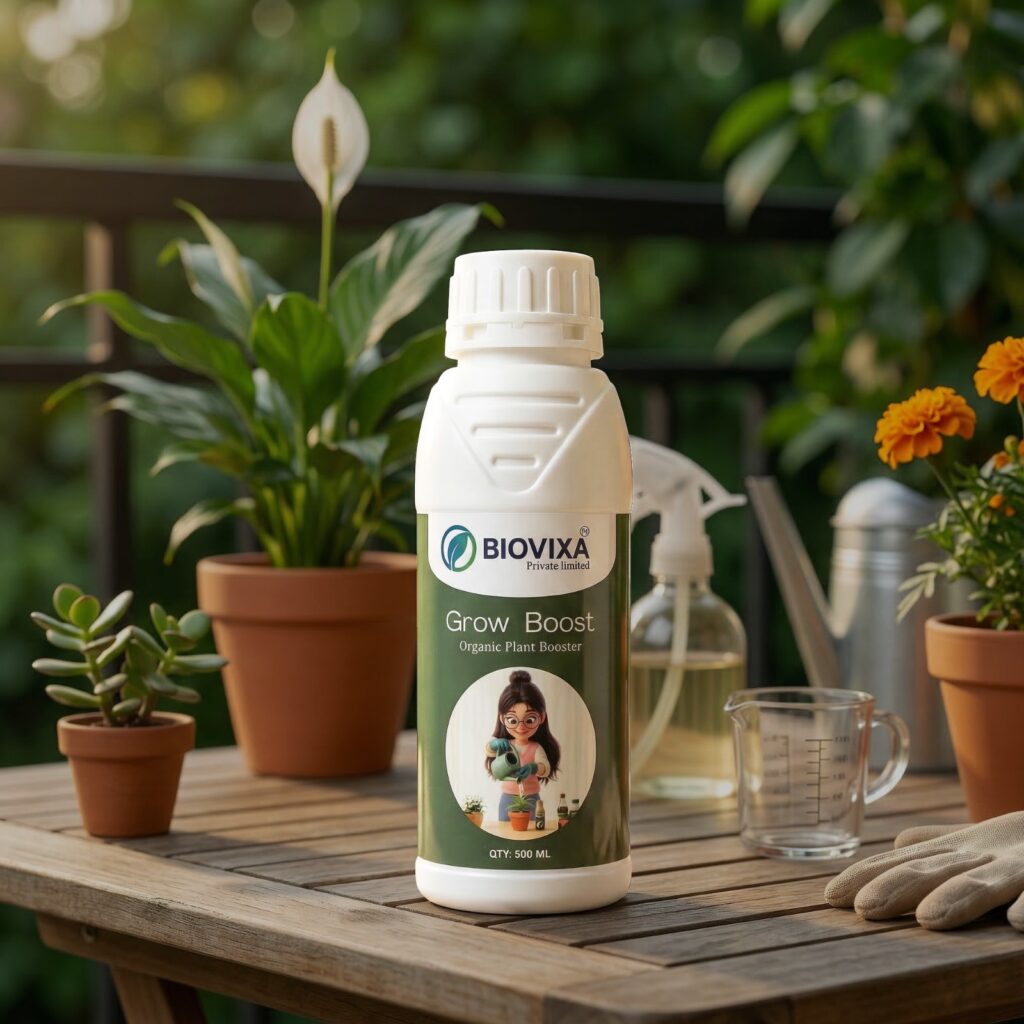
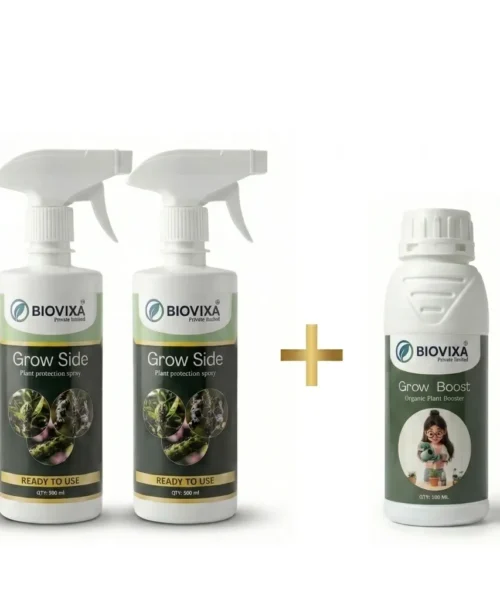
For Active Growth Phases → Biovixa GrowBoost
Once your plant is settled into its cocopeat mix, kick the growing season off with GrowBoost. The improved aeration and moisture retention from cocopeat means your plant’s roots can absorb GrowBoost’s growth-promoting compounds more efficiently — you’ll see results faster than in standard soil.
🌱 Biovixa GrowBoost → — amplify growth in a cocopeat-enriched medium.
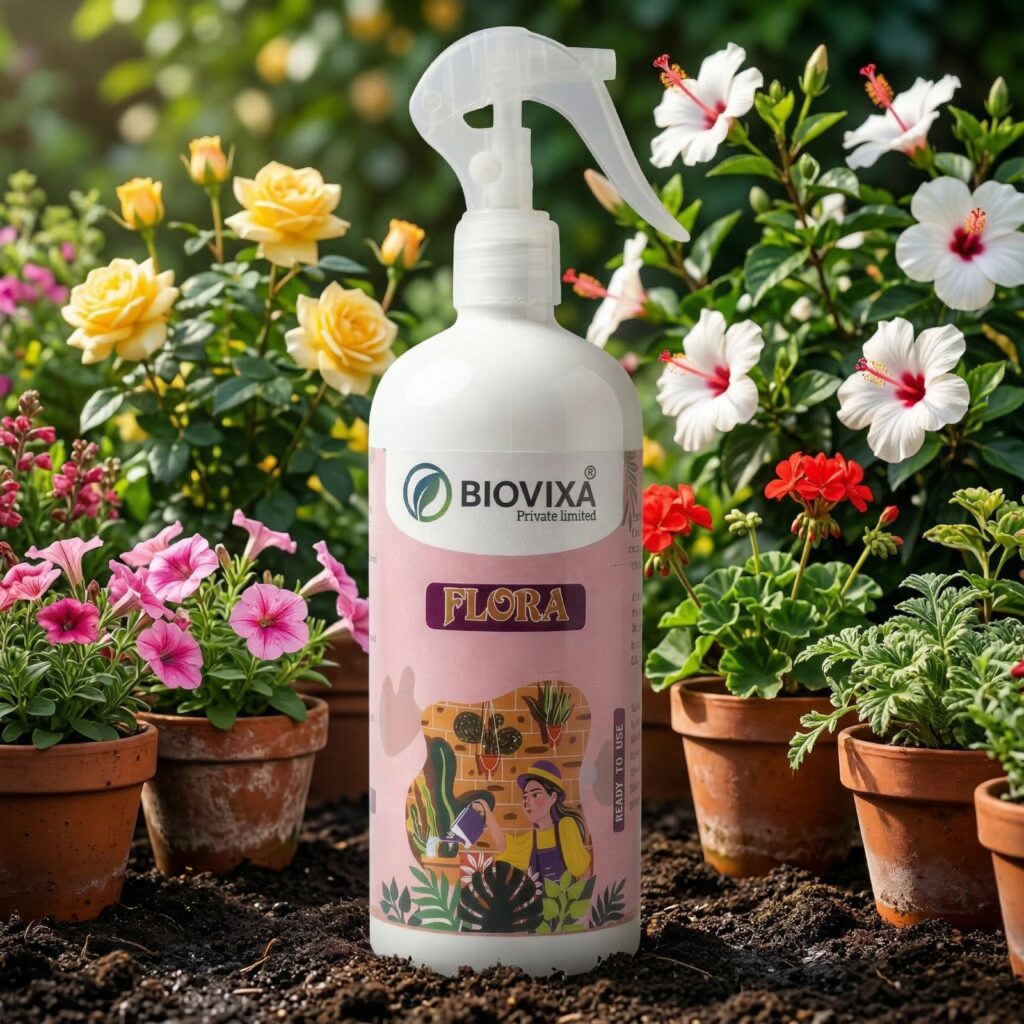
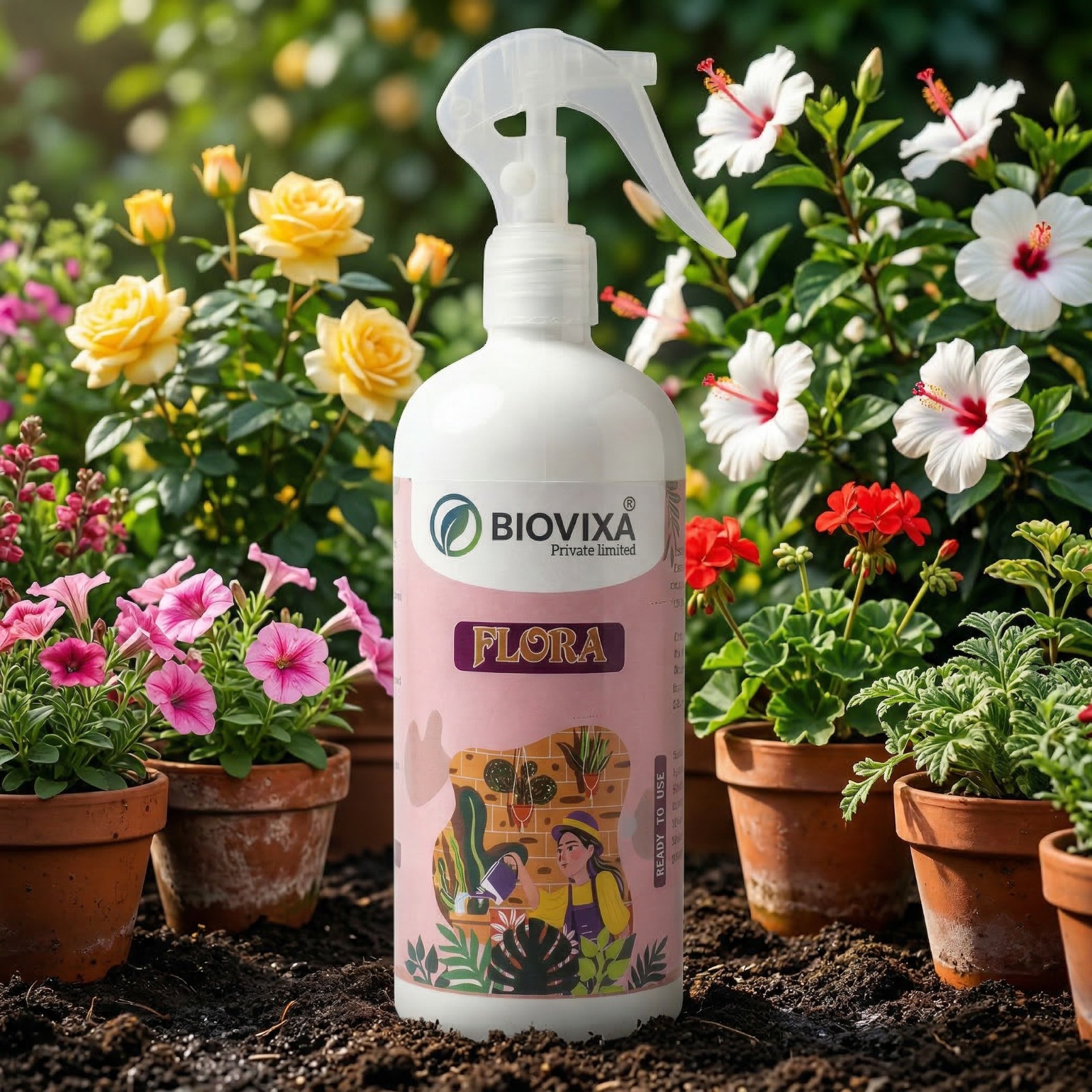
For Flowering Plants → Biovixa FloraMax
Cocopeat’s moisture consistency is particularly valuable during the flowering phase, when plants need steady hydration to sustain blooms. Pair it with FloraMax and you’ve created an environment where flowering isn’t just triggered — it’s sustained, cycle after cycle.
🌸 Biovixa FloraMax → — trigger and sustain blooms in a moisture-stable medium.
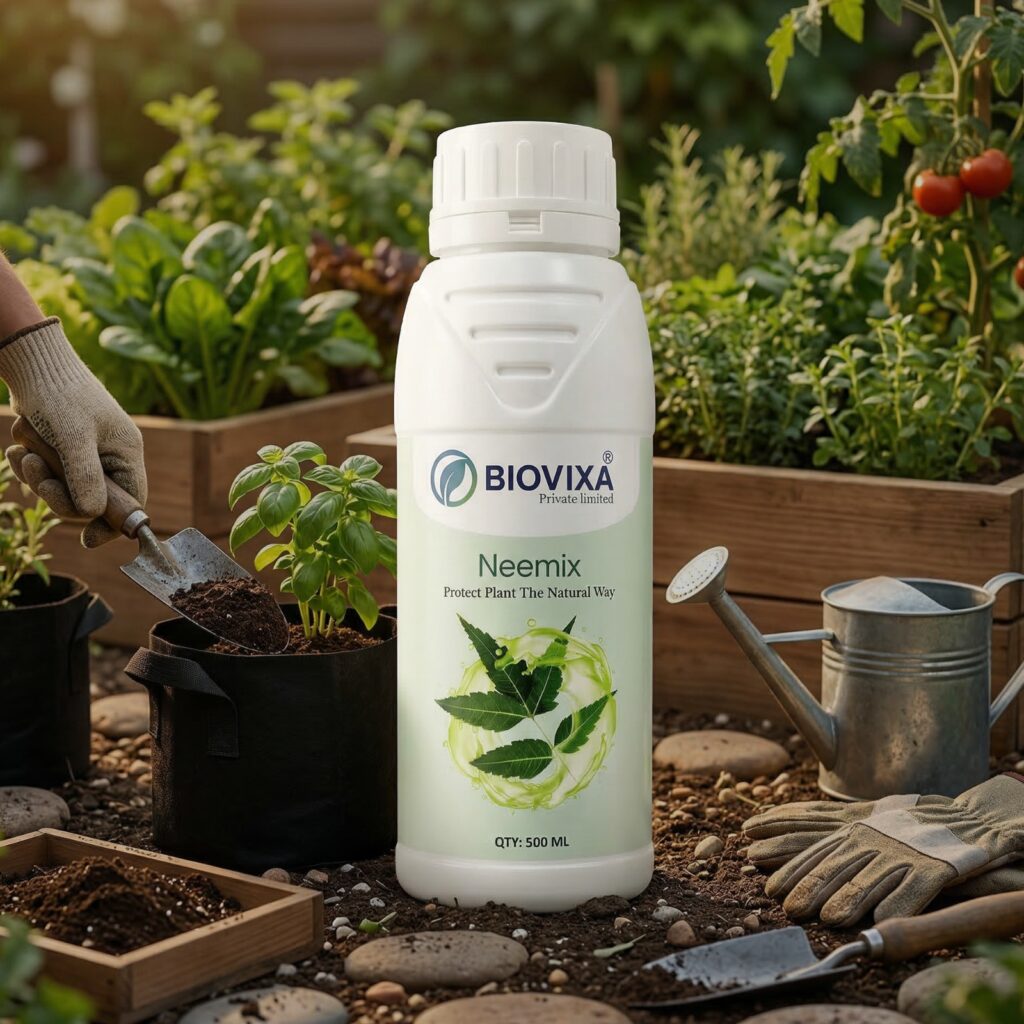
For Pest Protection → Biovixa NeetMix & Mealy Care
Cocopeat’s natural pest resistance reduces risk — but it doesn’t eliminate it entirely, especially for common pests like mealybugs that target the plant itself rather than the soil. Keep NeetMix Spray and Mealy Care on hand as your protective layer throughout the season.
Cocopeat Quick Guide
| Use | How to Use | Best Paired With |
|---|---|---|
| Potting mix | Mix 1:1:1 with soil & compost | Nutri Magic Granular |
| Seed germination | Use as standalone medium | GrowBoost post-germination |
| Mulching | 1–2 inch top layer on pot | FloraMax for flowering plants |
| Hydroponics | Use as primary growing medium | GrowBoost + FloraMax |
Common Cocopeat Mistakes to Avoid
Using it straight out of the block without rehydrating. Always rehydrate compressed cocopeat bricks fully before use. Break it up well — dry chunks in your pot mix will create uneven moisture zones.
Relying on it as a complete growing medium. As covered — cocopeat has almost no nutrients. Always combine it with a good fertilizer.
Overusing it in outdoor beds. Cocopeat works best in pots and containers where drainage and aeration are controlled. In large outdoor beds with natural soil, the ratio matters more — don’t overload.
Reusing old cocopeat without refreshing nutrition. If you’re reusing cocopeat from a previous season, always replenish nutrients before planting again. A fresh dose of Nutri Magic Granular mixed in does the job perfectly.
The Foundation of a Healthy Garden
Great plants don’t happen by accident. They happen when you get the foundation right — the right growing medium, the right nutrition, the right protection. Cocopeat handles the first part beautifully. Biovixa handles the rest.
Together, they give your plants the environment and the fuel to grow to their absolute fullest — season after season.
Using cocopeat already and want to build the perfect feeding schedule around it? Write to us at hello@biovixa.in — we’ll help you put it all together.