Walk into any garden store and you’ll find two very different kinds of fertilizers sitting side by side. One bag promises instant results. The other talks about soil health and sustainability. Both claim to be exactly what your plant needs.
So which one actually is?
This is one of the most common questions home gardeners ask — and the answer isn’t as black and white as most people expect. Let’s break it down honestly, so you can make the right call for your plants, your soil, and your home.
What Are Chemical Fertilizers?
Chemical fertilizers — also called synthetic or inorganic fertilizers — are manufactured through industrial processes. They contain highly concentrated, water-soluble forms of nutrients like Nitrogen, Phosphorus, and Potassium that plants can absorb almost immediately.
That’s their biggest selling point: speed. Apply a chemical fertilizer and you’ll often see a visible response within days — greener leaves, faster growth, more flowers.
But speed, as it turns out, comes with a catch.
What Are Organic Fertilizers?
Organic fertilizers come from natural sources — decomposed plant matter, animal waste, minerals, and other biological materials. They release nutrients slowly as they break down in the soil, feeding your plant gradually over weeks or months.
They don’t deliver the dramatic overnight transformation that chemical fertilizers can. But what they do instead is arguably far more valuable — they build the foundation that makes your plant genuinely, sustainably healthy.
The Real Difference — Fast Food vs Real Food
Here’s the simplest way to think about it.
Chemical fertilizers are like fast food for your plants. Quick, convenient, immediately satisfying — but with consequences if that’s all you ever rely on. Organic fertilizers are like a balanced, home-cooked diet. Slower to prepare, but infinitely better for long-term health.
Your plant on chemical fertilizers will look good short-term. But the soil it’s sitting in? That’s a different story.
What Chemical Fertilizers Do to Your Soil
This is the part most fertilizer labels won’t tell you.
They disrupt soil biology. Healthy soil is alive — teeming with bacteria, fungi, earthworms, and microorganisms that break down organic matter, fix nitrogen, and make nutrients available to plant roots. Repeated chemical fertilizer use kills off these organisms, turning rich living soil into an inert growing medium that’s completely dependent on synthetic inputs to function.
They cause salt build-up. Most chemical fertilizers are salt-based. Over time, excess salts accumulate in the soil, drawing moisture away from roots instead of towards them. The result is a phenomenon called fertilizer burn — and it’s exactly as bad as it sounds.
They leach into groundwater. Because synthetic nutrients are water-soluble and applied in high concentrations, a significant portion washes straight through the soil with every watering, contributing to groundwater and waterway pollution.
They create dependency. Once your soil’s natural ecosystem is compromised, it needs constant chemical input just to sustain basic plant health. You end up trapped in a cycle — using more fertilizer to fix the problems caused by the fertilizer.
What Organic Fertilizers Do Differently
They feed the soil, not just the plant. Organic fertilizers decompose through microbial activity, which simultaneously feeds your plant and enriches the soil ecosystem. Every application makes your soil progressively more fertile.
They’re slow-release and self-regulating. Nutrients are released gradually as organic matter breaks down, matching the natural pace at which plant roots absorb them. This means no sudden nutrient overload, no burning, and no dramatic peaks and crashes in plant health.
They improve soil structure. Organic matter improves the texture, aeration, and water retention of soil. Sandy soils become more moisture-retentive. Dense soils become more breathable. Your roots have more room, more oxygen, and more consistent access to nutrients.
They’re safe for your entire home environment. No toxic residue, no chemical runoff, no risk to children, pets, or beneficial insects. You can use them freely indoors and outdoors without any of the handling precautions chemical fertilizers require.
So When Would You Ever Use Chemical Fertilizers?
Honestly? For home gardeners — especially those growing indoors, on balconies, or in urban spaces — there’s very rarely a compelling reason to use chemical fertilizers at all.
The one scenario where they might make sense is emergency recovery: a severely deficient plant that needs an immediate nutrient intervention. In that case, a single application of a targeted chemical fertilizer can stabilise the plant quickly while you transition to an organic long-term feeding programme.
But as a routine? Organic wins every time.
The Biovixa Approach — Always Organic, Always Effective
At Biovixa, we made a deliberate choice to build our entire range around organic and biological inputs — not because it’s a trend, but because it’s the right way to grow.
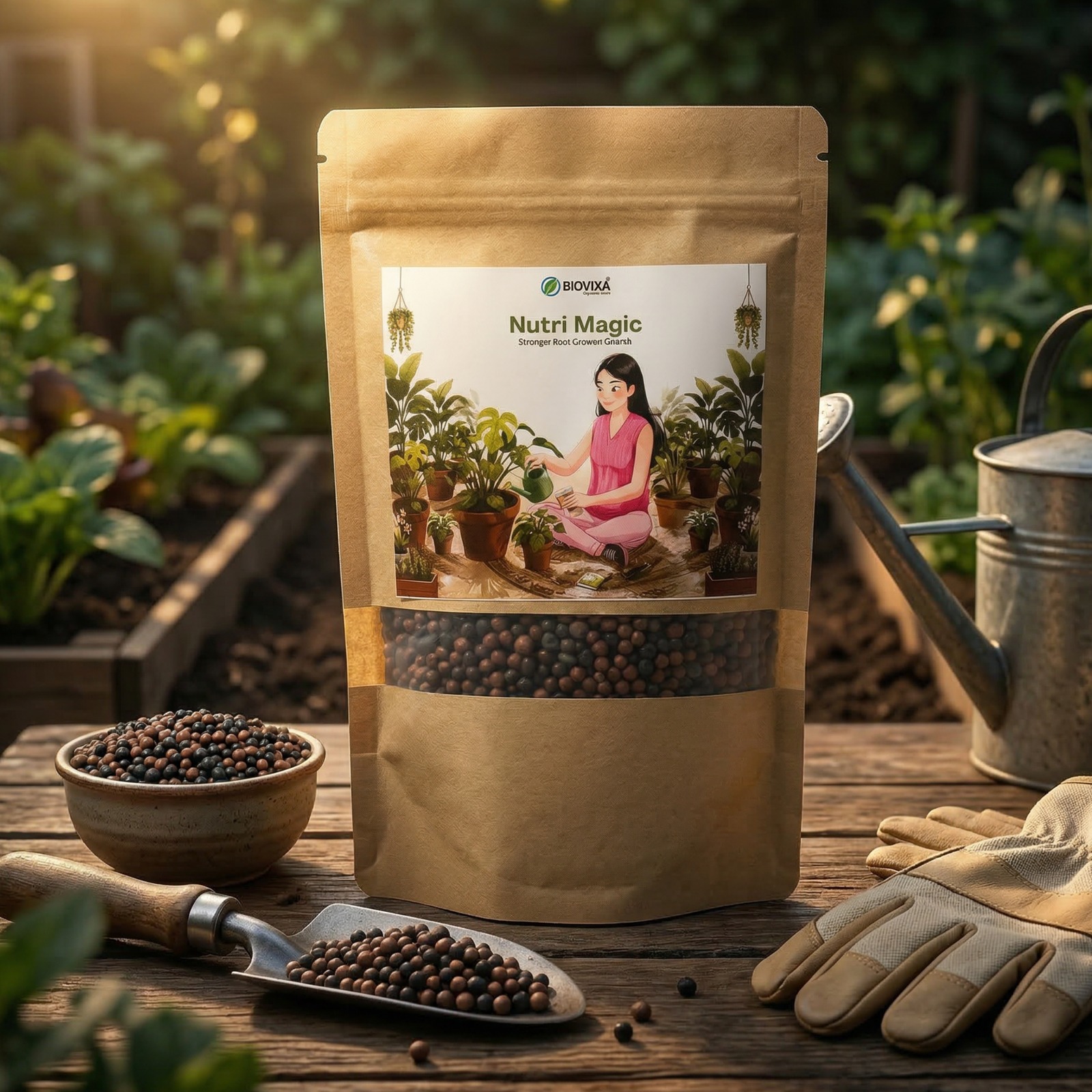
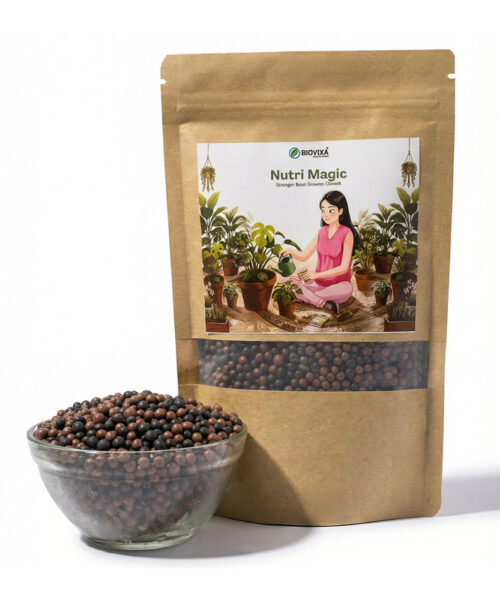
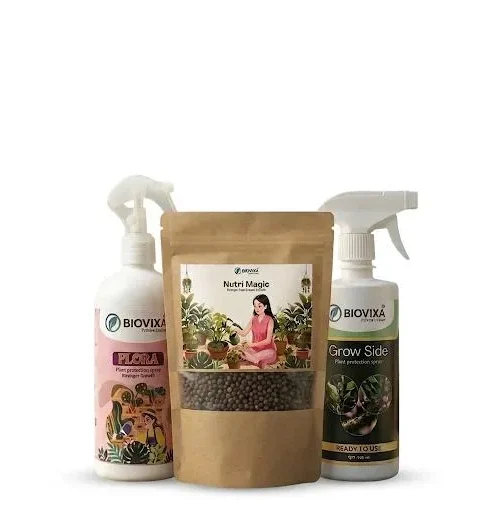
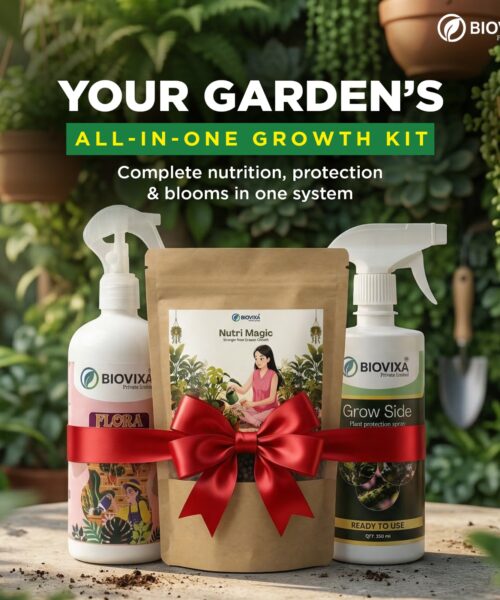
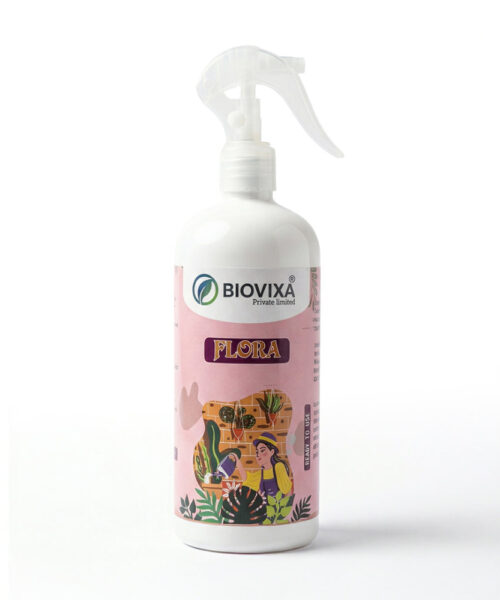
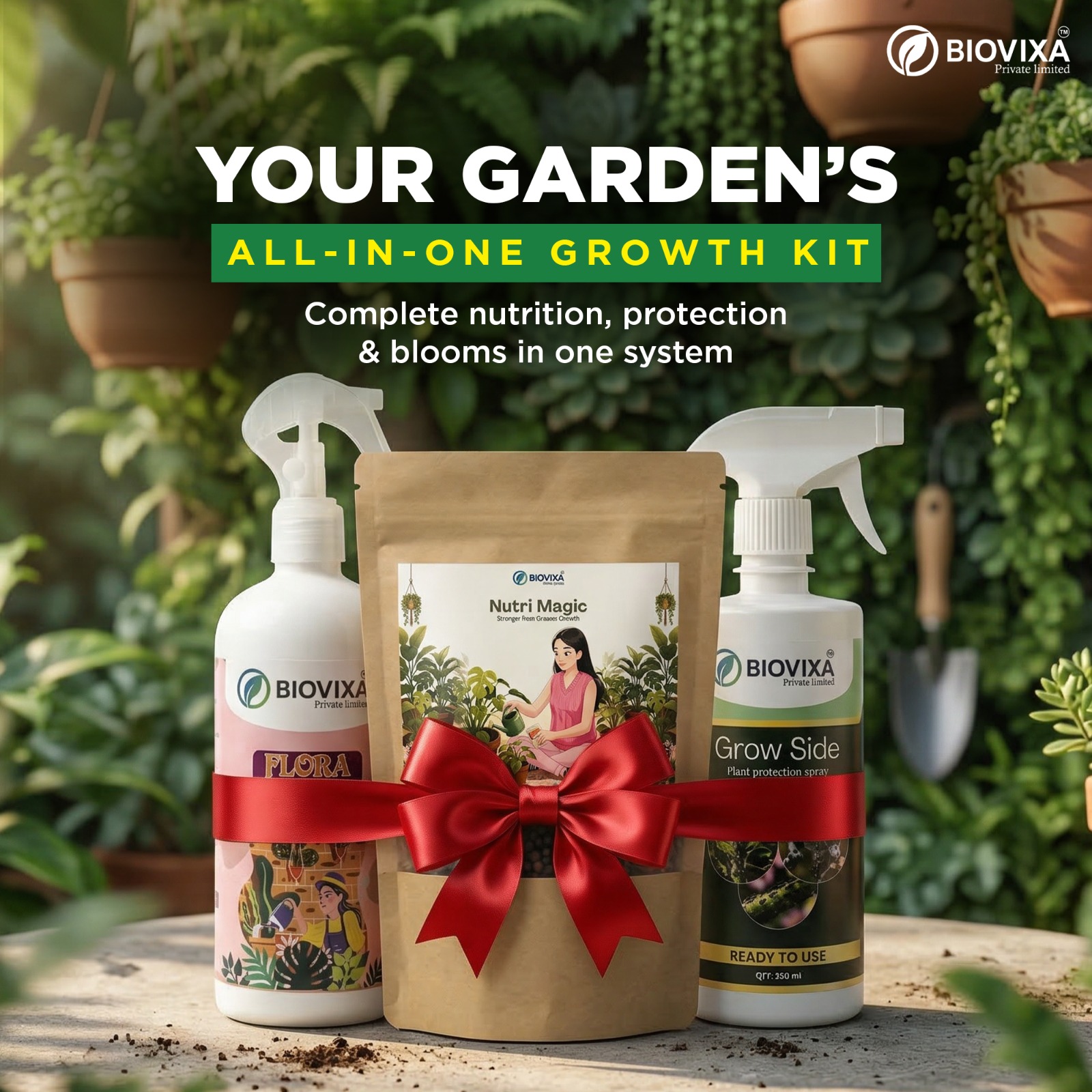
Biovixa Nutri Magic Granular is our core organic fertilizer — a slow-release granular formula that builds soil health with every application while delivering complete, balanced nutrition to your plants. No salt build-up, no soil damage, no dependency cycle.
🌾 Biovixa Nutri Magic Granular → — long-term soil health in every granule.
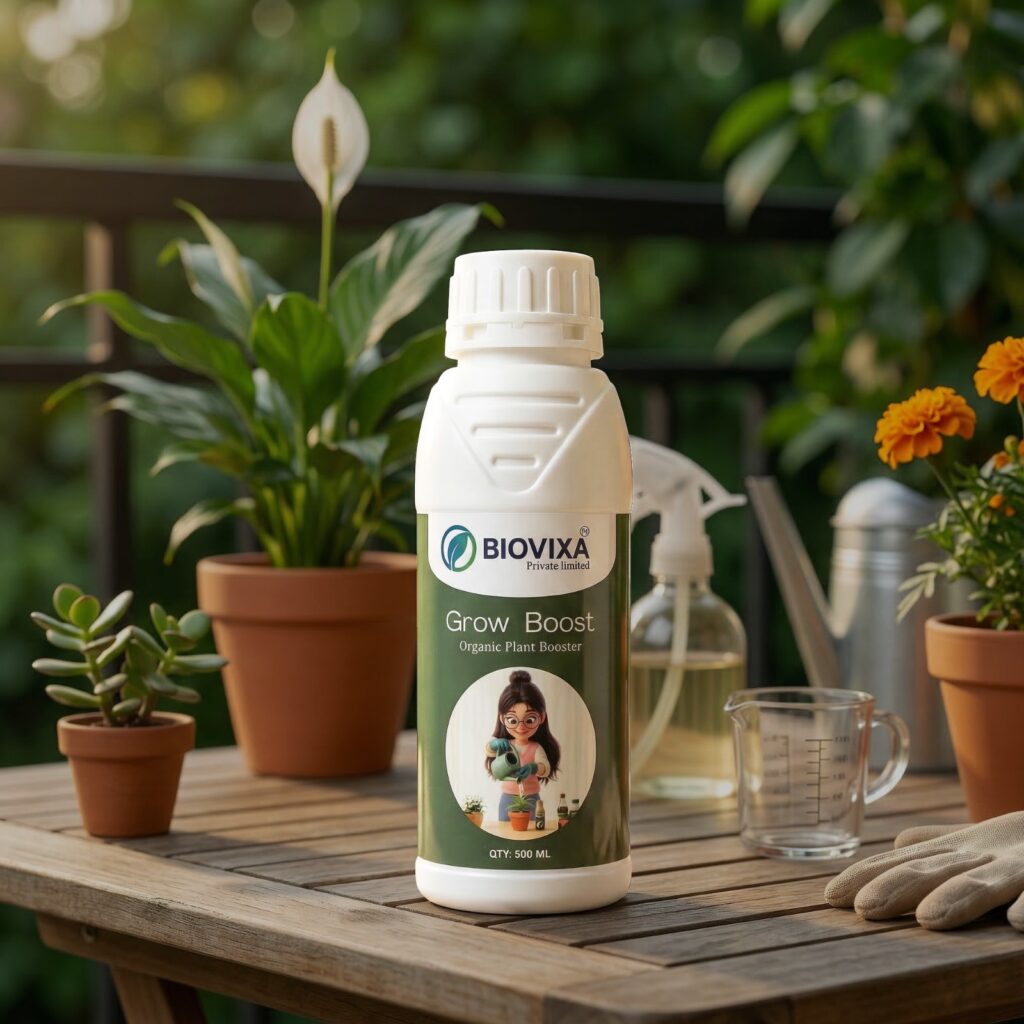
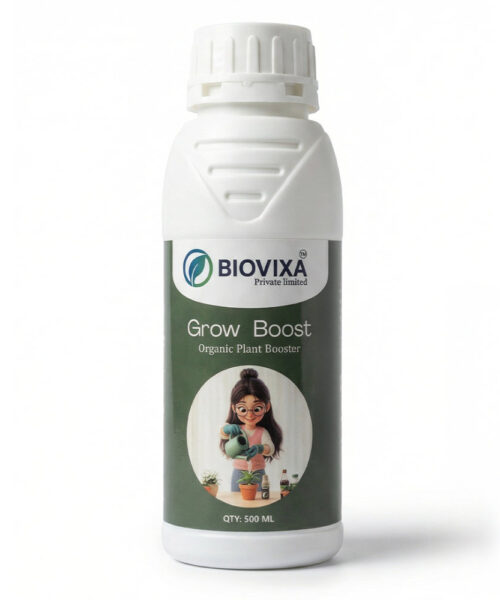
Biovixa GrowBoost gives you the growth-phase push you’d normally reach for a chemical fertilizer for — but organically. Faster vegetative growth, deeper green colour, stronger stems. All without compromising your soil.
🌱 Biovixa GrowBoost → — organic performance that rivals synthetic results.
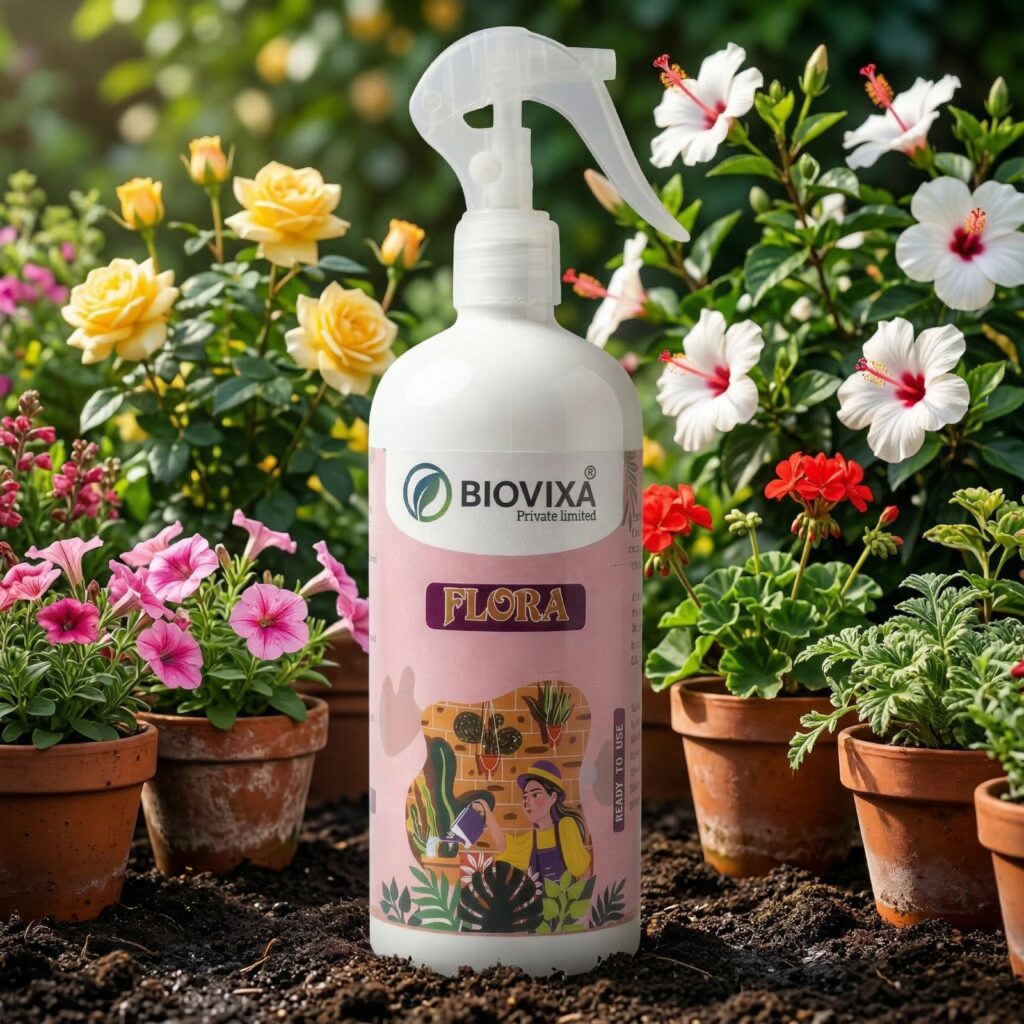
Biovixa FloraMax triggers and sustains flowering the same way — naturally, sustainably, and visibly.
🌸 Biovixa FloraMax → — bloom harder, the organic way.
Side by Side — The Honest Comparison
| Organic Fertilizer | Chemical Fertilizer | |
|---|---|---|
| Speed of results | Gradual (weeks) | Fast (days) |
| Soil health over time | ✅ Improves with each use | ❌ Degrades over time |
| Risk of burning plants | ✅ Very low | ❌ High if over-applied |
| Safe indoors & around family | ✅ Yes | ❌ Often not |
| Environmental impact | ✅ Minimal | ❌ Leaching, pollution |
| Long-term cost | ✅ Lower — less needed over time | ❌ Higher dependency |
| Best for | Sustainable, healthy gardens | Quick short-term fixes |
The Verdict
If you’re growing plants at home — whether it’s a single pot on a window sill or a full balcony garden — organic fertilizers are the smarter long-term choice. Full stop.
They take a little more patience. They don’t deliver the dramatic three-day transformation that synthetic fertilizers promise. But month after month, season after season, your soil gets richer, your plants get stronger, and your garden becomes something genuinely self-sustaining.
That’s not just better for your plants. It’s better for your home, your family, and the environment your garden is a part of.
Feed your plants the right way. Feed them Biovixa.