Here’s the full blog:
How to Get More Flowers from Your Plants
March 2026
You bought a flowering plant with the promise of colour, fragrance, and life. And for a week or two, it delivered. Then the blooms faded, dropped off — and never really came back.
Sound familiar?
You’re not alone. Getting a plant to flower once is easy. Getting it to flower consistently, abundantly, and across multiple seasons? That takes a little more intention. But it’s absolutely achievable — and once you crack the code for your plant, you’ll wonder why it took so long.
Here’s everything you need to know about getting more flowers from your plants.
First — Why Do Plants Stop Flowering?
Before jumping to solutions, it helps to understand the reasons behind the problem. Plants don’t withhold flowers out of spite. There’s always a cause.
Not enough light. Flowering is an energy-intensive process. If your plant isn’t getting enough sunlight, it simply won’t have the resources to bloom. It’ll stay alive — but just barely.
Wrong fertilizer (or none at all). If you’re feeding your plant a high-nitrogen fertilizer, you’re telling it to grow more leaves. Nitrogen drives vegetative growth. To trigger flowers, your plant needs more Phosphorus and Potassium.
The plant is root-bound. When roots have no more room to grow, the plant goes into survival mode and stops flowering. A cramped pot = a stressed plant.
Wrong season or wrong conditions. Many flowering plants have specific seasonal cues — temperature changes, light duration, humidity. If those conditions aren’t met, the flowering trigger simply doesn’t fire.
Spent flowers left on the plant. This one surprises a lot of gardeners. When a plant’s flowers go to seed, it thinks its job is done and stops producing new ones. Regular deadheading (removing spent blooms) signals the plant to keep going.
Now let’s fix all of this.
1. Get the Light Right
This is non-negotiable. Most flowering plants need a minimum of 4–6 hours of direct or bright indirect sunlight daily. Without it, no amount of fertilizer will trigger blooming.
If you’re growing indoors or on a shaded balcony, move your plant to the brightest spot available. South or west-facing windows and balconies are ideal in India. If natural light is genuinely limited, consider a grow light for your most light-hungry bloomers.
Plants that love full sun for flowering: Hibiscus, Marigold, Bougainvillea, Rose, Ixora. Plants that bloom in indirect light: Peace Lily, Anthurium, Kalanchoe, Begonia.
2. Switch to a Flowering Fertilizer
This is the single biggest change most gardeners can make — and it delivers visible results fast.
General-purpose fertilizers are often nitrogen-heavy, which is great for leafy growth but actively works against flowering. To shift your plant into bloom mode, you need a fertilizer that’s high in Phosphorus (P) and Potassium (K).
Phosphorus supports root strength and triggers the flowering response. Potassium regulates the entire process — improving flower quality, colour intensity, and longevity.
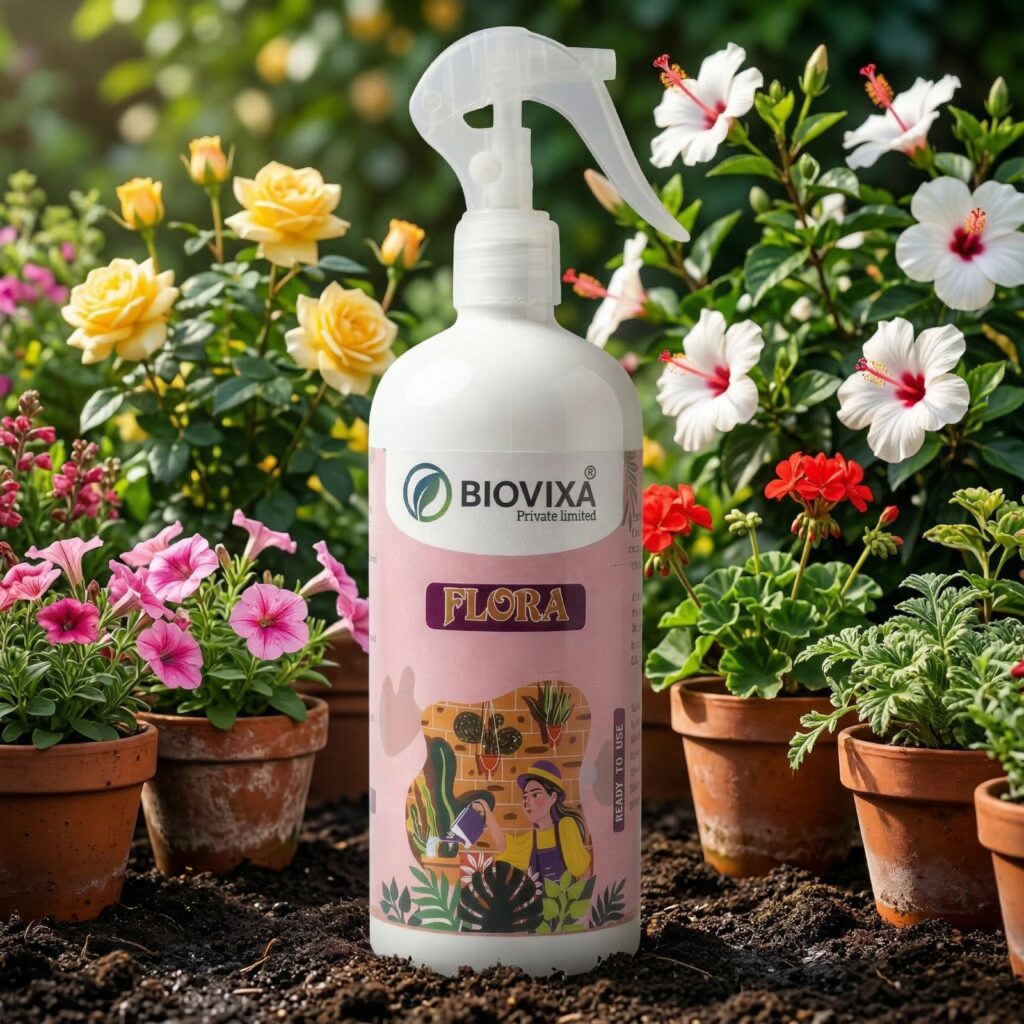
Biovixa FloraMax is designed specifically for this. It’s not a general fertilizer — it’s a dedicated flower-boosting formula that gives your plant exactly the nutritional cue it needs to push out blooms. Apply it during the pre-flowering phase and through the blooming season, and the difference is dramatic.
🌸 Biovixa FloraMax → — the switch your flowering plants have been waiting for.
3. Give Your Plant a Growth Boost First
Here’s something most people skip: before a plant can flower abundantly, it needs to be in strong overall health. A weak, struggling plant won’t divert energy into flowers — it’ll use everything just to stay alive.
Think of it as a two-step process. First, build the plant up. Then, trigger the blooms.
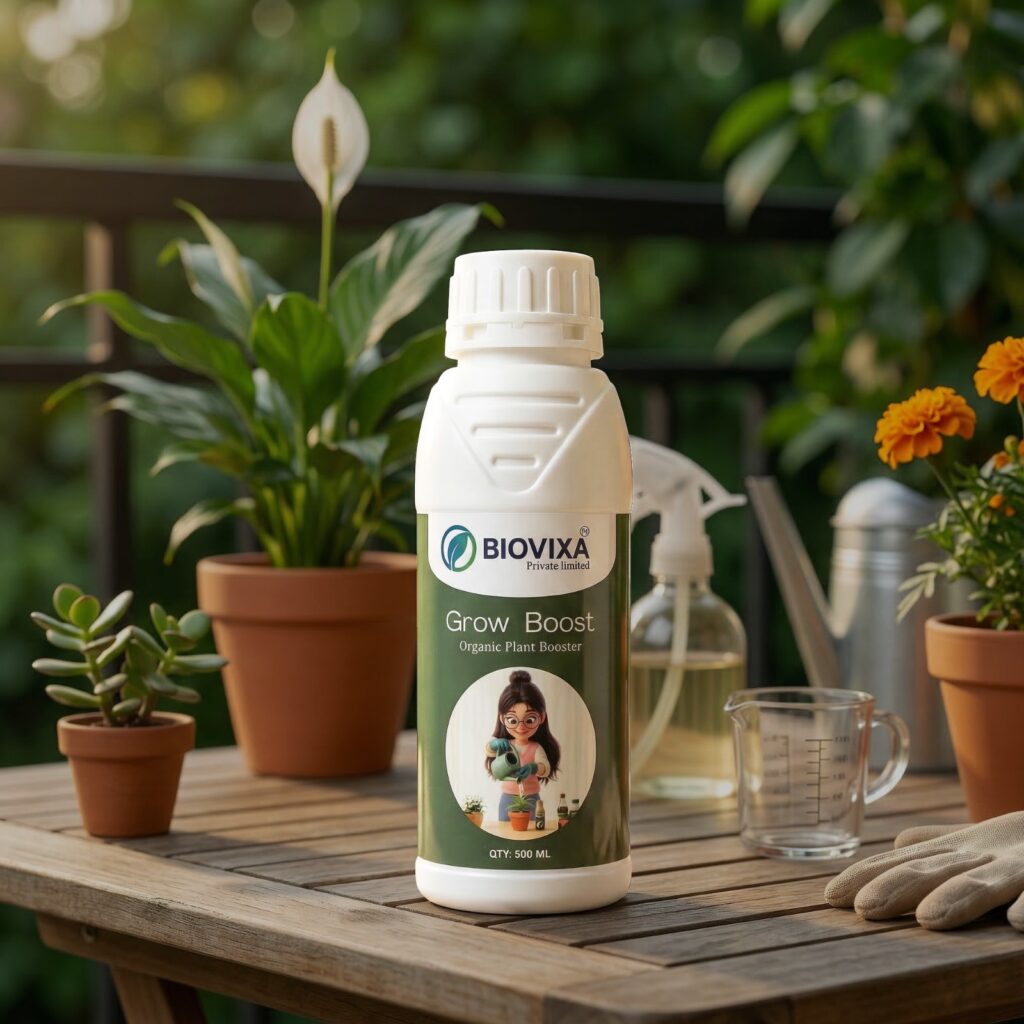
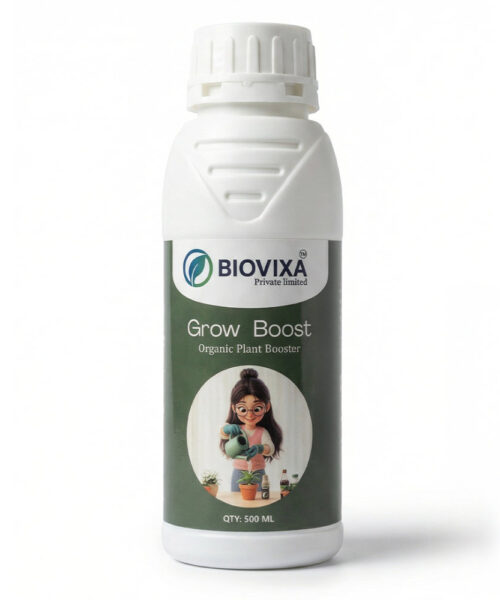
Biovixa GrowBoost is perfect for the first step. Use it for 2–3 weeks before switching to FloraMax. You’ll be giving your plant the structural strength it needs to actually sustain a heavy flowering cycle — more buds, better retention, longer-lasting blooms.
🌱 Biovixa GrowBoost → — build the plant first, then watch it bloom.
4. Deadhead Regularly — Remove Spent Flowers
This one costs nothing and makes an enormous difference.
As soon as a flower fades, pinch or snip it off cleanly — ideally just below the bloom or at the nearest leaf node. This prevents the plant from putting energy into seed production and signals it to produce the next round of flowers instead.
Make it a habit every 2–3 days during the flowering season. The more consistently you deadhead, the more continuously your plant blooms.
5. Don’t Let It Get Root-Bound
Check the bottom of your pot. If roots are visibly growing out of the drainage holes, your plant is screaming for more space.
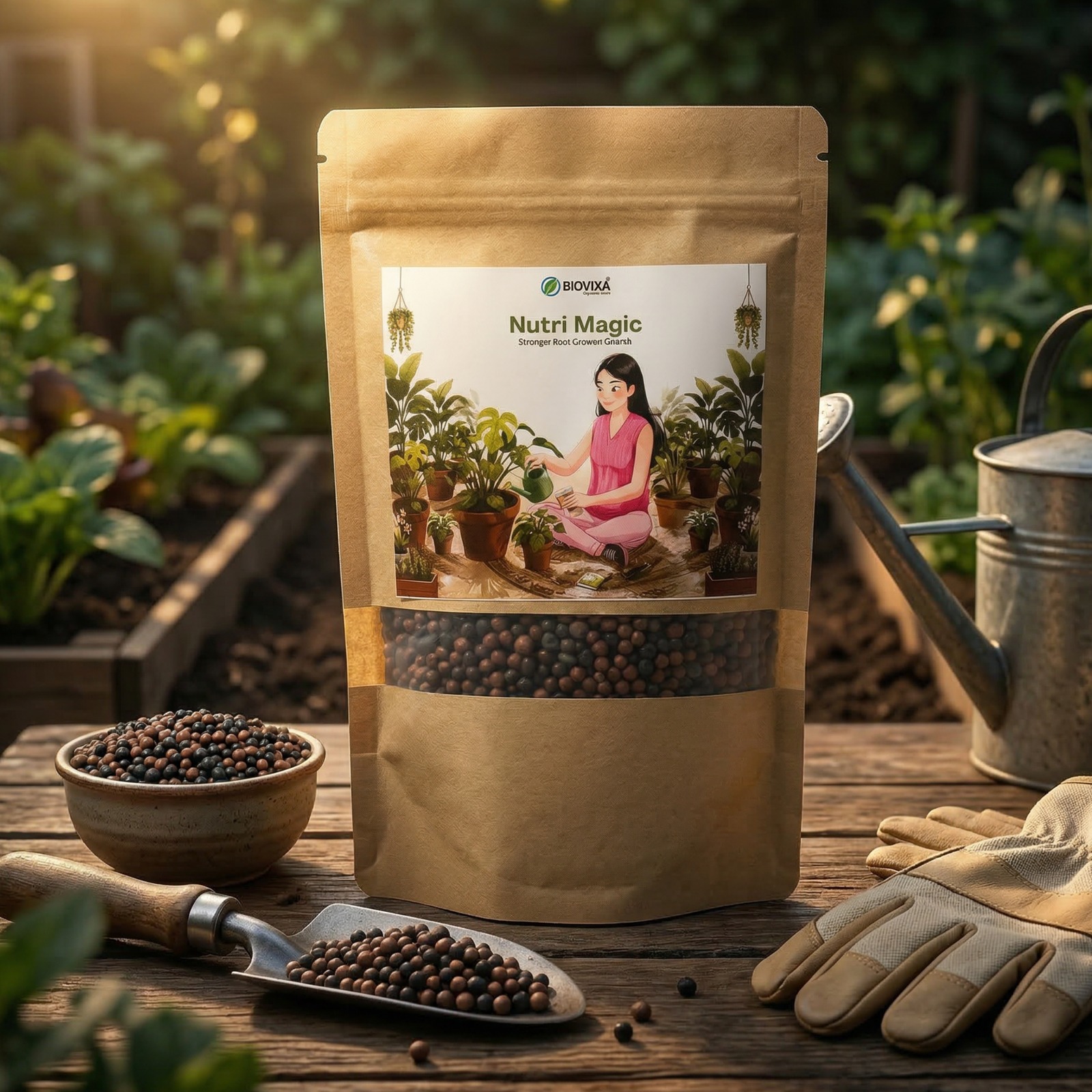
Repot into a container that’s one size larger — not too big, as overly large pots can cause waterlogging. Use fresh potting mix when you repot, and follow up with a dose of Biovixa Nutri Magic Granular to replenish the soil nutrition from day one.
🌾 Biovixa Nutri Magic Granular → — restore soil nutrition after repotting.
6. Water Correctly — Not Too Much, Not Too Little
Both overwatering and underwatering suppress flowering.
Overwatering suffocates roots, leading to root rot and a plant too stressed to bloom. Underwatering causes the plant to conserve resources, dropping buds and halting new flower production entirely.
The rule of thumb: water when the top inch of soil feels dry. Water deeply and thoroughly — then let it drain completely. Never let your plant sit in a waterlogged saucer.
7. Protect Your Blooms from Pests
Nothing kills a flowering cycle faster than a pest infestation. Mealybugs, aphids, and spider mites are particularly drawn to soft new growth and flower buds — draining the plant’s energy right when it needs it most.
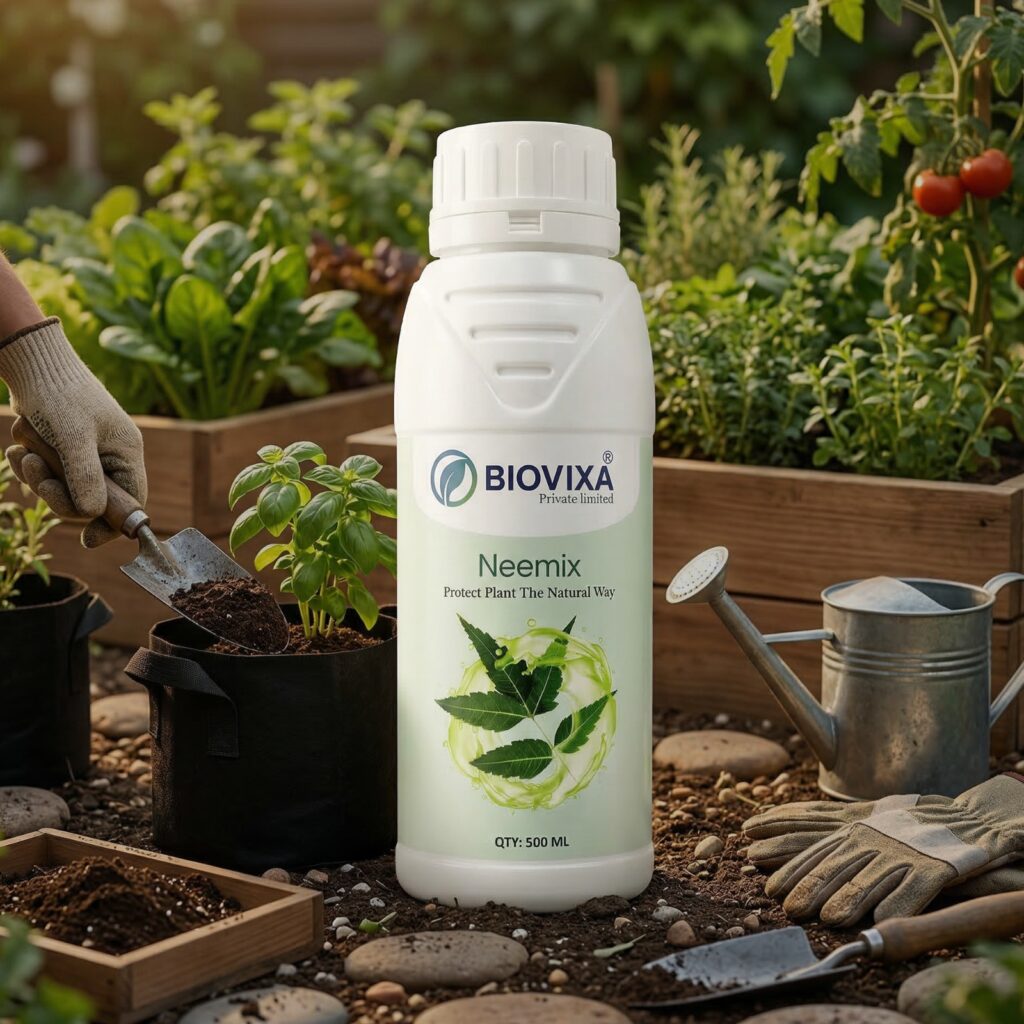
Keep a biopesticide spray on hand throughout the flowering season. Biovixa NeetMix Spray applied every 2–3 weeks acts as both a treatment and a preventive measure — keeping pests away without harming the blooms or the beneficial insects around them.
🛡️ Biovixa NeetMix Spray → — protect your blooms, naturally.
The Biovixa Flowering Routine — Step by Step
Here’s a simple, repeatable routine to maximise flowering across the season:
Week 1–2: Apply GrowBoost to build plant strength and push new vegetative growth.
Week 3 onwards: Switch to FloraMax to trigger and sustain the flowering phase.
Throughout the season: Apply NeetMix Spray every 2–3 weeks for pest protection. Deadhead spent blooms every few days. Water consistently — never erratically.
Post-season: Apply Nutri Magic Granular to replenish soil nutrients before the next growth cycle begins.
Repeat. Every season.
Your Flowering Cheat Sheet
| Problem | Likely Cause | Fix |
|---|---|---|
| No flowers at all | Low light / wrong fertilizer | More sun + FloraMax |
| Buds forming but dropping | Pests / inconsistent watering | NeetMix + steady watering |
| Flowers fading too fast | Nutrient depletion | GrowBoost + FloraMax combo |
| Plant not growing enough to bloom | Weak overall health | GrowBoost first |
| Blooms not returning after first flush | Deadheading skipped / root-bound | Deadhead + repot + Nutri Magic |
Grow the Garden You Imagined
A garden full of colour, fragrance, and blooms isn’t luck — it’s a system. The right light, the right nutrition, the right protection, and a little consistency. That’s genuinely all it takes.
Biovixa’s flowering range gives you the tools to build that system — organically, sustainably, and without guesswork.
Shop Biovixa FloraMax & the full range →
Which plant are you trying to get blooming? Write to us at hello@biovixa.in — our team loves a good plant challenge.